



Plastic furniture has come a long way from the utilitarian furniture of decades past. Today's modern plastic furniture design rivals — and often surpasses — wood and metal in aesthetics, comfort, and innovation. As a manufacturer serving global markets, we see design trends emerge and evolve in real time. Here's what's shaping plastic furniture trends in 2026 and beyond.
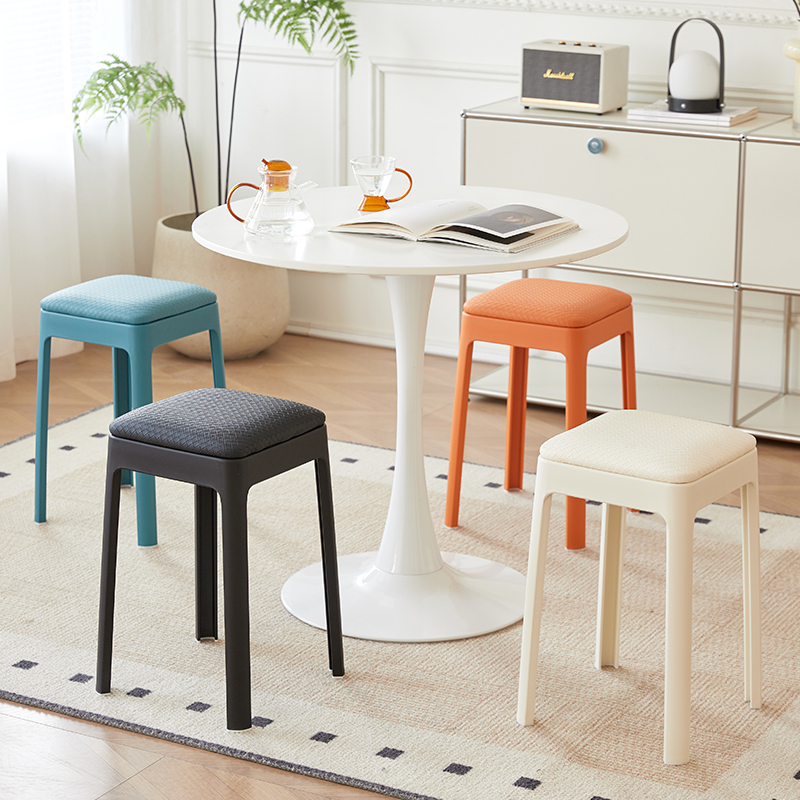
Trend 1: Sustainability as a Design Requirement
Sustainability has moved from a marketing point to a baseline expectation. In 2026, modern plastic furniture designs increasingly incorporate:
Post-consumer recycled (PCR) content: Furniture made from reclaimed plastics, often with visible recycled texture as a design feature
Monoblock construction: Single-material designs that are easy to recycle at end of life
Bio-based plastics: Materials derived from sugarcane and other renewable sources
Minimal packaging: Designs and packaging optimized to reduce waste
For buyers, this means sustainability is now a competitive differentiator — and for designers, an opportunity for creative expression through material choice.
Trend 2: Bold, Expressive Colors
Neutral tones dominated for years, but 2026 is seeing a strong shift toward expressive color:
| Color Trend | Applications | Why It's Working |
|---|---|---|
| Earthy terracotta & clay | Residential, hospitality | Warmth, natural feel without wood |
| Deep saturated greens | Interiors, cafes | Connects to nature, calming effect |
| Soft pastels | Kids' furniture, retail | Approachable, playful, social-media friendly |
| Vibrant primary colors | Commercial, events | High visibility, brand expression |
| Monochrome white/black | Modern minimalist | Timeless, versatile, design-led |
Trend 3: Ergonomic and Comfort-First Design
The industry is moving beyond "basic function" to genuine comfort engineering. Modern plastic furniture designs increasingly feature:
Contoured seats: Concave surfaces that distribute weight naturally
Waterfall edges: Front seat edges that curve down to reduce pressure on thighs
Supported backrests: Angled to match natural spine curvature
Integrated flex: Plastic's natural flexibility used intentionally for comfort
Trend 4: Soft Minimalism and Organic Forms
The "soft minimalism" aesthetic — clean lines softened by gentle curves, rounded edges, and organic shapes — is a dominant force in modern furniture design. Plastic is the ideal material for this trend:
Rounded, seamless forms without visible joints
Matte finishes that feel warm and sophisticated
Soft color palettes with subtle tonal variation
Scandinavian and Japanese design influences
Trend 5: Indoor-Outdoor Versatility
Post-pandemic, consumers want furniture that works across spaces — living room to patio, indoor to balcony. Designers are responding with furniture that:
Uses UV-stabilized materials suitable for both environments
Features water-draining, easy-clean designs
Maintains a refined indoor aesthetic while being weather-resistant
Offers colors and finishes suited to both contexts
Trend 6: Textured and Biophilic Surfaces
Texture is replacing plain gloss in modern plastic furniture. Design trends include:
Wood-grain effects: Molded-in grain texture that mimics wood without the maintenance
Stone and concrete finishes: Matte, textured surfaces for industrial and modern aesthetics
Tactile ribbing: Functional texture that adds grip and visual interest
Soft-touch coatings: Surface treatments that feel premium to the touch
Trend 7: Modularity and Space Efficiency
With urban living spaces shrinking, modular and space-efficient designs are in high demand:
Stackable and nestable designs for compact storage
Modular systems that reconfigure for different needs
Multi-functional furniture (stool that becomes a side table, etc.)
Lightweight pieces that move easily between spaces
Trend 8: Technology Integration
Emerging designs are incorporating functional technology:
Built-in charging ports and wireless charging surfaces (premium segment)
Anti-microbial material formulations for healthcare and food service
Self-cleaning or easy-clean surface treatments
How to Apply These Trends to Your Product Line
For retailers, distributors, and brand owners, staying ahead of design trends means better sell-through and stronger margins. Practical steps:
Refresh color offerings annually to align with design trends
Introduce one or two statement designs per season alongside proven bestsellers
Embrace sustainable materials as a genuine differentiator, not just marketing
Test designs with samples before committing to large orders
Partner with a design-capable factory that can develop custom designs to match emerging trends
Frequently Asked Questions
What plastic furniture colors are trending in 2026?
Earthy tones (terracotta, clay, sage green), soft pastels, and timeless monochrome (white and black) are all strong in 2026. Expressive, saturated colors are gaining ground in commercial and event furniture, while soft minimalist palettes dominate residential design.
Can a factory produce custom designs based on emerging trends?
Yes. Capable manufacturers with in-house mold design teams — like Xinlang Furniture — can develop custom designs from your sketches or concept files. For new custom molds, minimum order quantities typically start at 500 units to justify tooling investment.
Is sustainable material a passing trend or here to stay?
Sustainable materials are here to stay — driven by consumer demand, tightening regulations (especially in the EU), and retailer sustainability requirements. Recycled and bio-based plastic furniture is increasingly a market expectation, not a niche option.