



Molded plastic chair, minimalist interiors, modern plastic seating, stackable plastic chair, ergonomic plastic chair
Minimalist interiors continue to shape contemporary design trends, emphasizing clean lines, functional layouts, and clutter-free environments. Among the most versatile elements supporting this philosophy is the molded plastic chair. Combining form, function, and durability, this seating solution has become a staple in both residential and commercial minimalist spaces. This article explores how molded plastic chairs contribute to minimalist interiors, focusing on design principles, material advantages, ergonomics, and practical applications.
The Role of Molded Plastic Chairs in Minimalist Design
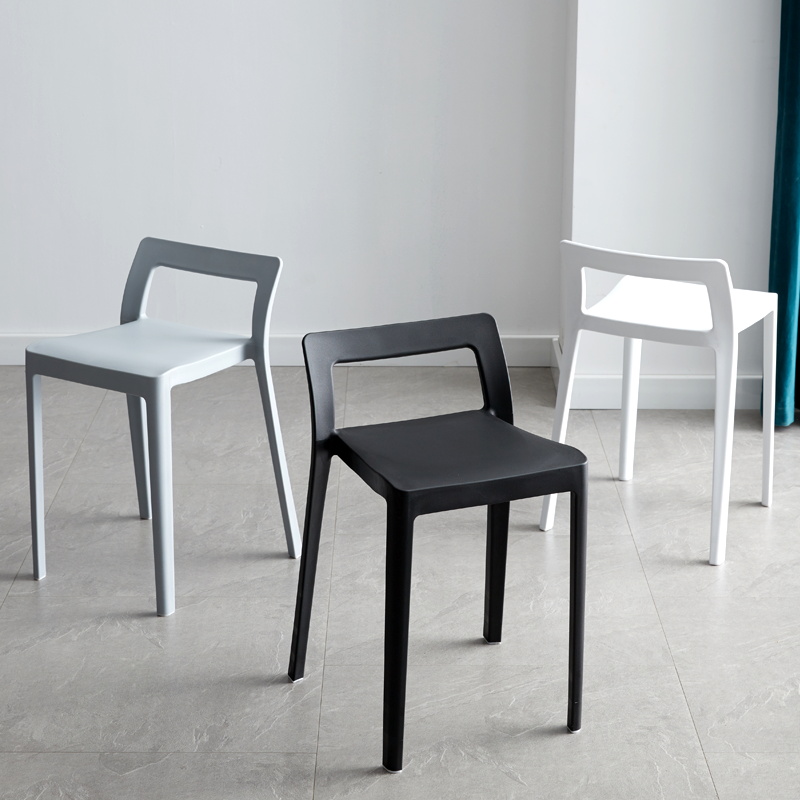
Minimalism prioritizes simplicity without sacrificing usability. A molded plastic chair aligns perfectly with this concept due to its streamlined silhouette and absence of unnecessary ornamentation. Unlike traditional furniture, which may incorporate multiple materials and decorative features, molded plastic seating is typically formed as a single, cohesive unit. This not only enhances visual clarity but also reduces design complexity.
Additionally, modern plastic seating is available in neutral tones such as white, black, and gray—colors commonly associated with minimalist interiors. These chairs can seamlessly blend into a variety of spaces while maintaining a subtle visual presence.
Material Efficiency and Manufacturing Precision
One of the defining features of molded plastic chairs is the injection molding process, which ensures consistent quality and precise shaping. This manufacturing technique allows for mass production without compromising structural integrity. For businesses sourcing furniture in bulk, this translates into reliable product uniformity and cost efficiency.
High-quality polymers used in molded plastic chairs offer excellent resistance to wear, moisture, and UV exposure. As a result, these chairs are suitable for both indoor and outdoor minimalist environments. Their durability reduces the need for frequent replacement, aligning with sustainable design practices.
Ergonomics and User Comfort
While minimalism often emphasizes aesthetics, functionality remains a critical component. An ergonomic plastic chair is designed to support natural body posture, even within a simplified form. Subtle curves in the seat and backrest provide lumbar support without adding visual bulk.
Advanced design techniques enable manufacturers to integrate ergonomic features directly into the molded structure. This eliminates the need for additional cushioning or adjustments, maintaining the chair’s minimalist appeal while ensuring user comfort over extended periods.
Space Optimization with Stackable Designs
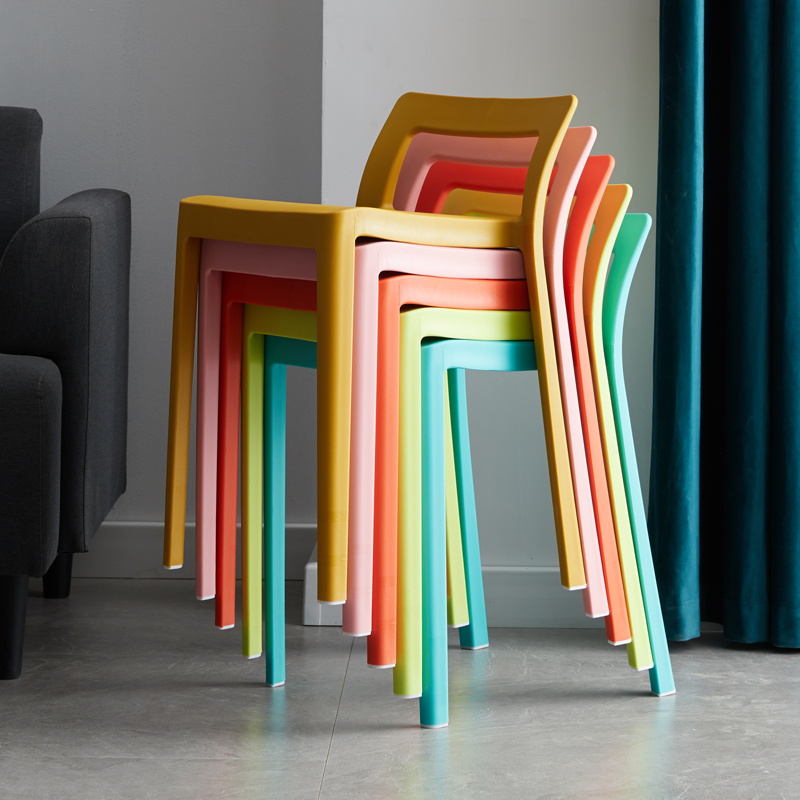
Space efficiency is a core principle of minimalist interiors. Stackable plastic chairs offer a practical solution for environments where flexibility is essential, such as cafes, conference rooms, and event spaces. Their lightweight construction allows for easy handling, while their stackable design enables convenient storage when not in use.
For commercial buyers, this feature translates into reduced storage costs and improved operational efficiency. In residential settings, stackable chairs help maintain a clutter-free environment, reinforcing minimalist aesthetics.
Versatility Across Applications
Molded plastic chairs are highly adaptable, making them suitable for a wide range of applications. In dining areas, they provide a clean and modern seating option. In office environments, they support productivity with their ergonomic design. Outdoor spaces benefit from their weather-resistant properties, ensuring long-term usability.
Their versatility also extends to stylistic integration. Whether paired with wooden tables for a warm contrast or metal fixtures for an industrial look, molded plastic chairs can enhance various minimalist themes without overpowering the overall design.
Sustainability and Environmental Considerations
Sustainability is increasingly important in modern interior design. Many manufacturers now produce eco-friendly molded plastic chairs using recyclable materials. The efficiency of the injection molding process also minimizes material waste, contributing to a lower environmental footprint.
Furthermore, the long lifespan of these chairs reduces the frequency of disposal and replacement. For businesses aiming to meet sustainability goals, investing in durable and recyclable furniture is a strategic decision.
Selecting a Reliable Supplier
From a procurement perspective, choosing a reliable manufacturer is essential to ensure product quality and consistency. Factors to consider include material specifications, production capabilities, and quality control processes. Certifications and compliance with international standards further indicate a supplier’s credibility.
Bulk buyers should also evaluate customization options, such as color, finish, and branding. A professional supplier can provide tailored solutions that align with specific project requirements while maintaining the integrity of minimalist design.
Conclusion
Molded plastic chair, minimalist interiors, modern plastic seating, stackable plastic chair, ergonomic plastic chair
Molded plastic chairs play a vital role in achieving minimalist interiors by combining simplicity, durability, and functionality. Their efficient design, ergonomic features, and adaptability make them an ideal choice for both residential and commercial applications. By selecting high-quality products from reliable manufacturers, businesses and designers can create spaces that are not only visually appealing but also practical and sustainable.
As minimalist design continues to evolve, the demand for modern plastic seating solutions is expected to grow, reinforcing the importance of molded plastic chairs in contemporary interior environments.
References
GB/T 7714:Materials Selection in Mechanical Design (4th ed.). Butterworth-Heinemann.
MLA:The Design of Everyday Things (Revised and Expanded Edition). Basic Books.
APA:Plastics recycling: challenges and opportunities. Philosophical Transactions of the Royal Society B, 364(1526), 2115–2126.