



Plastic chairs stand out as one of the most practical and widely adopted seating solutions for both indoor and outdoor settings. They are lightweight, budget-friendly, simple to maintain, and come in an extensive variety of designs. Nevertheless, not all plastic chairs are created equal, and selecting the right one hinges on your intended location and usage. This buying guide will help you grasp the key factors to keep in mind when picking a plastic chair for home or outdoor use, enabling you to make a wise and long-lasting investment.
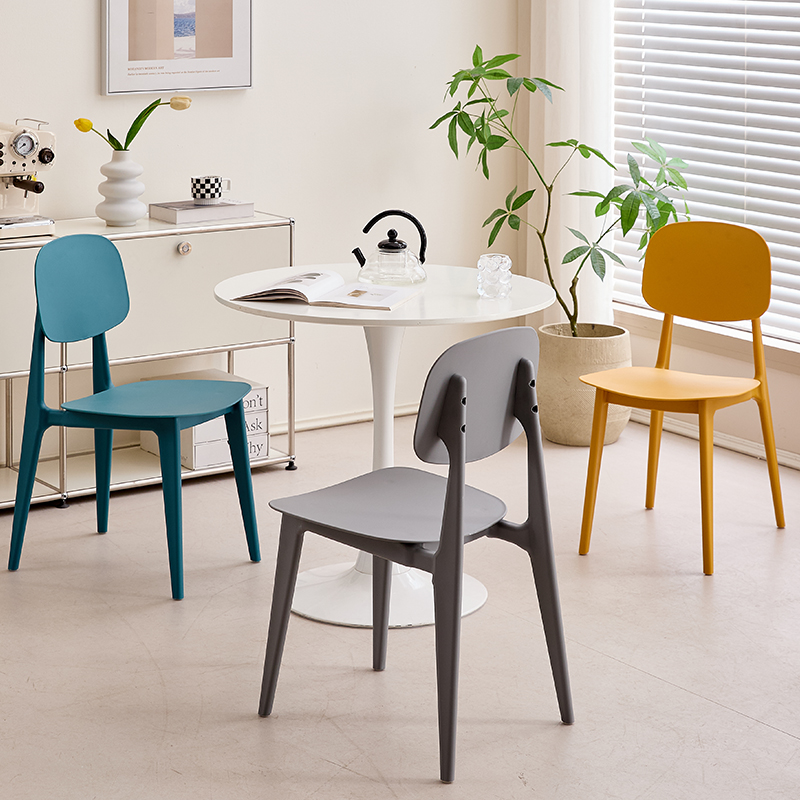
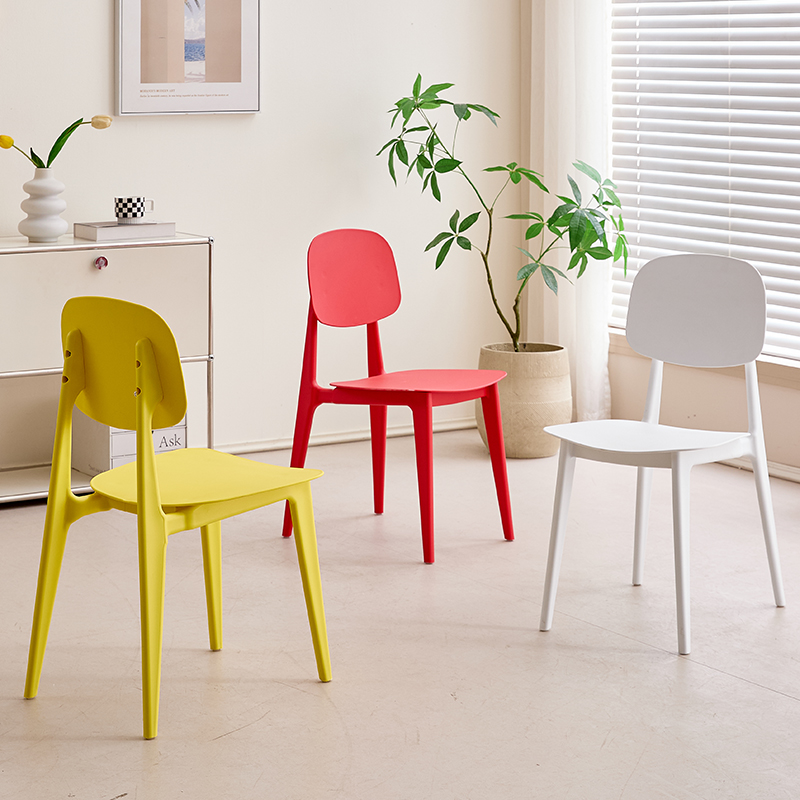
Why Choose Plastic Chairs?
Plastic chairs have gained widespread popularity for numerous reasons:
Lightweight and effortless to move around
More cost-effective than wooden or metal chairs
Resistant to moisture and rust, ensuring durability
Low maintenance and simple to clean
Available in a wide range of colors and styles to suit different needs
Thanks to these advantages, plastic chairs are extensively used in homes, gardens, restaurants, events, and public spaces.
1. Determine the Usage Environment
The first step to choosing the right plastic chair is figuring out where it will be used.
Indoor Use
For indoor spaces like dining rooms or living rooms, focus on these aspects:
Attractive and cohesive design
Comfortable seating experience
Smooth surface finish to avoid scratches
Neutral or stylish colors that blend with interior décor
Outdoor Use
For outdoor use such as gardens, patios, or balconies, opt for chairs that are:
UV-resistant to withstand sun exposure
Weatherproof to handle various weather conditions
Waterproof to prevent water damage
Sturdy and durable even under prolonged sun exposure
Outdoor chairs must be able to endure changing weather without fading, cracking, or degrading.
2. Check Material Quality
Not all plastic materials offer the same level of durability. High-quality plastic chairs are typically made from:
Polypropylene (PP): Lightweight, strong, and one of the most commonly used materials
High-density polyethylene (HDPE): More durable and better suited for outdoor weather
Reinforced plastic blends: Deliver extra strength for heavy-duty use
A high-quality chair should feel solid to the touch, not flimsy or excessively flexible.
3. Consider Load-Bearing Capacity
Different chairs can support different weight levels. Always check the load capacity, particularly for:
Commercial use (restaurants, cafes, and public spaces)
Outdoor events and gatherings
Heavy-duty household use
A stronger frame design and reinforced legs will guarantee better safety and a longer service life.
4. Focus on Comfort Design
Comfort is essential whether the chair is used indoors or outdoors. Look for these key features:
Ergonomic backrest design that supports the spine
Slightly curved seat to promote better sitting posture
Armrests for additional support during extended seating
Proper seat height that matches the height of your table
If possible, choose chairs with breathable or ventilated designs to enhance comfort when used outdoors.
5. Evaluate Durability and Weather Resistance
For outdoor environments, durability is crucial. A high-quality plastic chair should have:
UV protection to prevent fading and discoloration
Anti-crack material that can withstand temperature changes
Water-resistant surface to avoid water damage
Strong joint structure for added sturdiness
These features ensure the chair can be used long-term without the need for frequent replacement.
6. Stackability and Storage Convenience
Stackable plastic chairs are highly practical, especially for:
Events and gatherings where extra seating is needed
Restaurants and cafes with limited space
Homes or spaces with restricted storage capacity
Stackable designs help save space when not in use and make transportation easier.
7. Style and Design Options
Plastic chairs are no longer just basic seating pieces. Today, they are available in a variety of styles to suit different tastes:
Modern minimalist designs for contemporary spaces
Classic household styles for traditional interiors
Colorful options perfect for events and parties
Luxury-looking molded designs that elevate any space
Choose a design that complements your environment and overall décor theme.
8. Easy Maintenance
One of the biggest advantages of plastic chairs is their low maintenance. To ensure long-term use, follow these tips:
Clean the chair regularly with mild soap and water
Avoid sharp scratches or heavy impact that could damage the surface
Store indoors during extreme weather conditions if the chair is not fully weatherproof
Proper care can significantly extend the chair’s lifespan.
9. Price vs. Quality Balance
While plastic chairs are generally affordable, extremely cheap options may lack durability and comfort. It’s better to balance these factors:
Material quality and thickness
Structural strength and sturdiness
Comfort features and ergonomic design
Long-term usage value and durability
Investing a little more in a higher-quality chair often saves you money on replacements in the long run.
Conclusion
Choosing the right plastic chair requires understanding your usage needs, material quality, comfort requirements, and durability expectations. Whether for home, garden, or commercial use, a well-selected plastic chair can provide long-lasting comfort and convenience. By considering factors like material type, load capacity, weather resistance, and design, you can confidently pick a chair that fits both your lifestyle and budget.
References
GB/T 7714: A Guide to Selecting High-Quality Plastic Chairs for Residential and Commercial Use. Journal of Furniture Design
MLA:Ergonomic Design Trends in Modern Plastic Chairs. Journal of Interior Design
APA:Sustainable Plastic Chairs: Recyclable Materials and Environmental Impact. Journal of Sustainable Products