



Eco-Friendly Plastic Furniture Options: Sustainable Choices for Modern Living
Understanding Environmental Impact
The furniture industry increasingly recognizes its environmental responsibilities, with plastic furniture manufacturers leading sustainability initiatives. Traditional plastic production draws on petroleum resources and generates waste, but modern approaches minimize these impacts. Lifecycle assessments reveal that durable plastic furniture, properly manufactured and disposed, can offer environmental advantages over alternatives requiring frequent replacement. Understanding these impacts helps consumers make informed decisions about sustainable furniture choices.
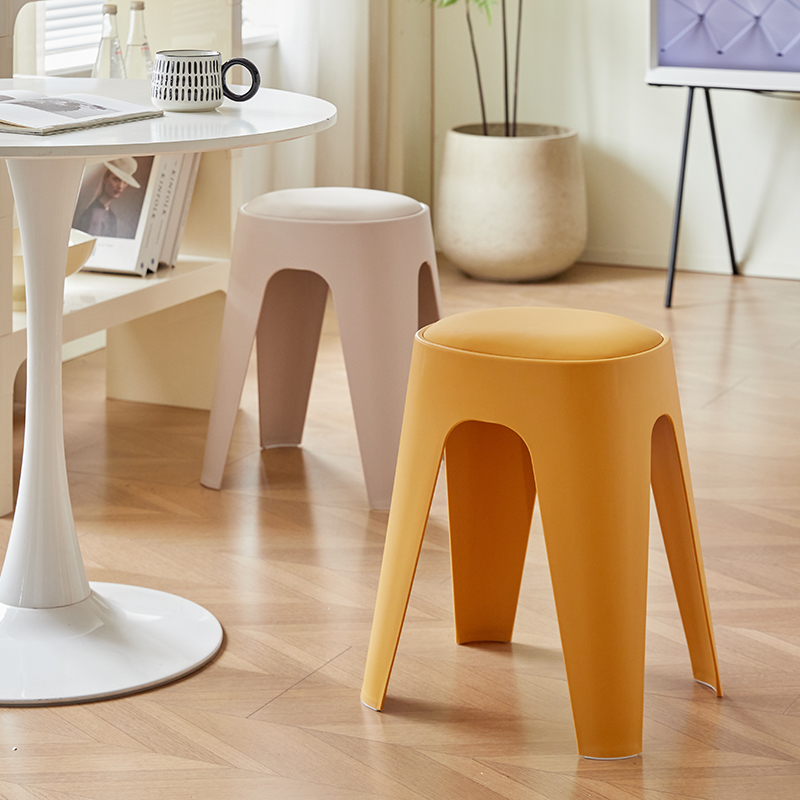
Recycled Plastic Furniture Innovations
Many manufacturers now incorporate recycled plastics into their furniture products, diverting waste from landfills and reducing demand for virgin materials. Post-consumer recycled plastics come from items like beverage bottles and containers, transformed into durable furniture components. Post-industrial recycled content utilizes manufacturing scrap that previously ended as waste. Advanced processing ensures recycled materials meet quality standards required for furniture applications. These innovations demonstrate environmental leadership while maintaining product performance.
Bio-Based Plastic Alternatives
Emerging bio-based plastic technologies offer alternatives to traditional petroleum-derived materials. Plant-based polymers derived from renewable resources like corn, sugarcane, or cellulose reduce fossil fuel dependence. Some bio-based plastics offer biodegradability under specific conditions, though proper disposal remains essential. Manufacturers invest in research and development to improve bio-based plastic performance and cost-effectiveness. These innovations represent the frontier of sustainable furniture material science.
Energy-Efficient Manufacturing Processes
Forward-thinking furniture factories implement energy efficiency measures throughout production operations. Modern injection molding equipment uses significantly less energy than older machinery, reducing carbon footprints. Some facilities integrate renewable energy sources like solar panels or wind turbines. Heat recovery systems capture and reuse energy from production processes. These manufacturing improvements reduce the environmental impact of each furniture piece produced.
Waste Reduction Strategies
Sustainable manufacturers implement comprehensive waste reduction programs that minimize material sent to landfills. Production scrap recycling systems reprocess trimmings and defective items into new products. Packaging reduction initiatives eliminate unnecessary materials while protecting products during shipping. Some suppliers offer take-back programs that accept furniture at end-of-life for recycling or responsible disposal. These strategies demonstrate holistic approaches to environmental responsibility.
Longevity and Durability Benefits
The extended lifespan of quality plastic furniture offers significant environmental advantages. Durable construction resists wear and damage, reducing replacement frequency compared to inferior alternatives. Timeless designs avoid aesthetic obsolescence that drives premature disposal. Modular designs enable part replacement rather than complete unit replacement when components wear. These longevity factors reduce lifetime environmental impact through fewer products needed.
Certification and Standards
Various certification programs help consumers identify environmentally responsible furniture products. Environmental certifications verify recycled content claims, manufacturing practices, and end-of-life recyclability. Some standards address indoor air quality and chemical emissions. Third-party verification provides confidence that environmental claims represent actual practices. Consumers increasingly seek certified products, driving manufacturers toward sustainable operations.
Consumer Role in Sustainability
Consumers play crucial roles in plastic furniture sustainability through purchasing decisions and product care. Choosing quality furniture from responsible manufacturers supports sustainable practices. Proper maintenance extends product life, maximizing environmental investment. End-of-life responsibility includes recycling where facilities exist or donating usable furniture to extend service. Consumer demand for sustainable options drives continued industry improvement and innovation.
References
Environmental Design Journal. Sustainable Furniture Manufacturing Practices. 2024.
Green Building Quarterly. Eco-Friendly Materials in Commercial Furniture. 2023.
Journal of Sustainable Materials. Bio-Based Plastic Developments and Applications. 2024.