



Space Efficiency and Storage Optimization
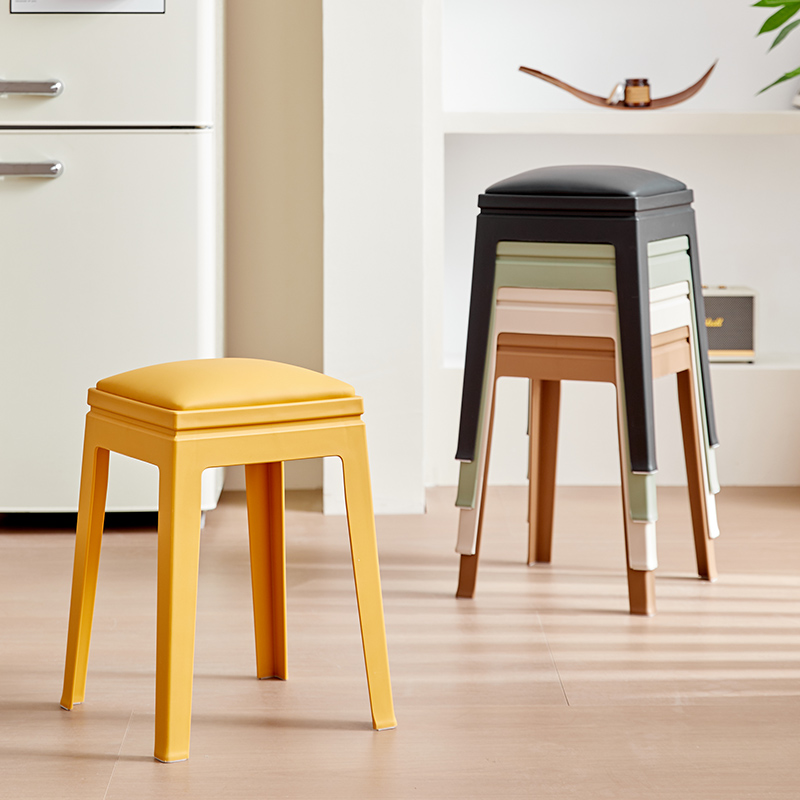
One of the most compelling advantages of stackable plastic stools lies in their remarkable space-saving design. In environments where floor space comes at a premium, such as restaurants, cafes, and event venues, the ability to stack multiple units vertically transforms storage logistics. A typical set of ten stackable stools occupies roughly the same footprint as two or three non-stackable alternatives when stored. This efficiency translates directly into cost savings for business owners who can maximize their usable space for revenue-generating activities rather than storage.
Versatility Across Multiple Applications
Modern plastic stools serve diverse purposes across various settings. From bustling commercial kitchens to outdoor patios, educational facilities to home dining areas, their adaptability makes them invaluable assets. Manufacturers design these stools to function equally well indoors and outdoors, with UV-resistant materials preventing sun damage and fading. The lightweight construction allows easy repositioning, enabling quick space reconfiguration for different events or seasonal changes.
Durability and Long-Term Value
Quality plastic stools from reputable suppliers demonstrate exceptional longevity. High-grade polypropylene construction resists cracking, chipping, and fading even under daily commercial use. Unlike wooden alternatives that may warp or metal options that can rust, plastic stools maintain their structural integrity across years of service. Many suppliers back their products with substantial warranties, reflecting confidence in their durability. The initial investment pays dividends through reduced replacement costs and minimal maintenance requirements.
Ergonomic Design and User Comfort
Contemporary stackable stools incorporate thoughtful ergonomic features that prioritize user comfort. Molded seats conform to natural body contours, reducing fatigue during extended sitting periods. Some models include backrests or contoured surfaces that provide additional support. Footrest bars offer stability and comfort, while appropriate seat heights accommodate standard table dimensions. These design considerations ensure that practical functionality does not compromise user experience.
Easy Maintenance and Cleaning
The practicality of plastic stools extends to their maintenance requirements. Non-porous surfaces prevent liquid absorption, making spills easy to wipe clean with standard disinfectants. This characteristic proves particularly valuable in food service environments where hygiene standards demand regular sanitization. Unlike upholstered seating that requires specialized cleaning, plastic stools need only basic cleaning supplies and minimal time investment. Their resistance to stains, odors, and bacteria accumulation supports healthy environments.
Cost-Effective Seating Solutions
Budget-conscious buyers appreciate the economic advantages of plastic stools. Mass production capabilities and efficient material usage keep unit costs competitive compared to alternative seating options. Bulk purchasing from direct manufacturers or wholesale suppliers yields additional savings. The combination of low upfront costs, minimal maintenance expenses, and extended service life delivers exceptional total cost of ownership. Businesses can allocate saved resources to other operational priorities.
Environmental Considerations
Modern manufacturers increasingly incorporate sustainability into their production processes. Many suppliers use recyclable materials, ensuring end-of-life environmental responsibility. Some stools contain recycled plastic content, reducing demand for virgin materials. The lightweight nature of plastic stools also reduces transportation energy consumption compared to heavier alternatives. Forward-thinking factories implement waste reduction programs and energy-efficient manufacturing practices that align with contemporary environmental values.
Aesthetic Variety and Design Options
Far from basic utility, today's stackable plastic stools offer impressive aesthetic variety. Suppliers provide extensive color palettes, from neutral tones that blend with any decor to vibrant hues that make bold statements. Matte and glossy finishes cater to different style preferences. Some manufacturers offer custom color matching for businesses seeking brand consistency. The range of available designs ensures that functionality need not sacrifice visual appeal.
Safety Features and Stability
Reputable manufacturers prioritize safety in their stool designs. Wide base dimensions and appropriate weight distribution prevent tipping accidents. Non-slip rubber feet provide secure floor contact on various surfaces. Load capacity ratings inform buyers of weight limitations, with most commercial-grade stools supporting well above average adult weights. Quality suppliers conduct rigorous testing to ensure their products meet or exceed relevant safety standards and building codes.
References
Commercial Interior Design Journal. Space Optimization Strategies for Hospitality Venues. 2024.
Furniture Today Magazine. Plastic Furniture Durability Studies and Consumer Reports. 2023.