



Regular Cleaning Procedures
Maintaining plastic chairs in optimal condition requires consistent cleaning routines. For routine cleaning, use mild soap diluted in warm water applied with a soft cloth or sponge. Avoid abrasive cleaners that can scratch surfaces and create areas where dirt accumulates. Rinse thoroughly with clean water to remove soap residue that can attract dust. Dry with a clean towel or allow to air dry completely before stacking. Regular cleaning prevents dirt buildup that becomes increasingly difficult to remove over time.
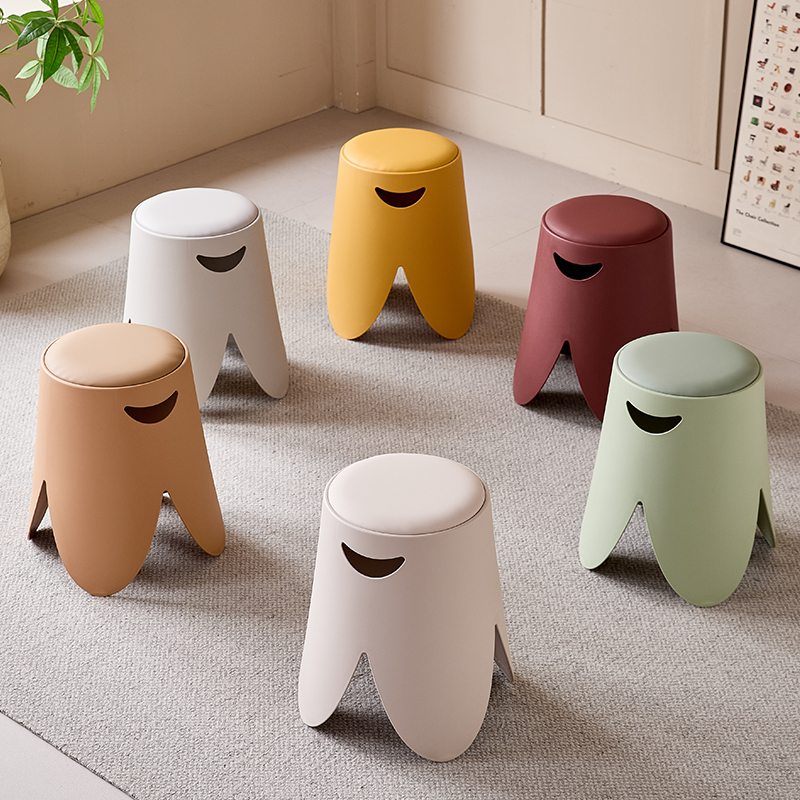
Tackling Stubborn Stains
Despite best preventive efforts, plastic chairs occasionally develop stubborn stains requiring stronger cleaning methods. Food stains, beverage spills, and outdoor debris may need specialized treatment. Create a paste from baking soda and water for gentle abrasive action on tough stains. For mold or mildew, a diluted bleach solution effectively removes growth without damaging plastic. Test any cleaning solution on an inconspicuous area first to ensure it does not affect color or finish. Avoid harsh chemicals like acetone that can dissolve or damage plastic materials.
UV Protection Strategies
Extended sun exposure causes fading and brittleness in plastic furniture, even in products designed for outdoor use. Position chairs in shaded areas when possible, or rotate them regularly to distribute UV exposure evenly. Consider applying UV-protective sprays specifically formulated for plastic furniture. These products create a protective barrier that reduces sun damage. For outdoor furniture, using protective covers during extended non-use periods significantly extends material life and maintains appearance.
Proper Storage Techniques
Appropriate storage during off-seasons or extended non-use preserves plastic chairs and prevents unnecessary wear. Stack chairs carefully, following manufacturer guidelines for maximum stack heights. Avoid placing heavy objects on stacked chairs that could cause deformation. Store in temperature-controlled environments when possible, as extreme temperatures can affect plastic properties. Ensure storage areas are dry to prevent mold growth. Use protective covers or dust sheets to keep chairs clean during storage.
Addressing Minor Repairs
Plastic chairs occasionally require minor repairs that owners can perform themselves. Loose components may need tightening with appropriate tools. Small scratches respond well to plastic polish designed to fill and smooth surface imperfections. For cracks, specialized plastic welding kits enable repair rather than replacement. Follow repair product instructions carefully and work in well-ventilated areas. Major structural repairs should be left to professionals or may indicate time for replacement.
Preventing Common Damage
Preventive measures avoid many common plastic chair problems. Place chairs on level surfaces to prevent stress on legs and frames. Avoid dragging chairs across rough surfaces that scratch and wear plastic. Use furniture pads on chair bottoms to protect floors and reduce leg wear. Instruct users, particularly children, on proper sitting positions that do not stress furniture beyond design limits. These simple precautions significantly extend furniture lifespan.
Temperature Considerations
Plastic materials respond to temperature extremes in ways that affect durability. Very cold temperatures make plastic brittle and more susceptible to cracking under stress. Extremely hot conditions can soften plastic, leading to deformation under weight. Avoid exposing plastic chairs to temperatures outside their rated operating range. When moving chairs between significantly different temperatures, allow gradual acclimatization to prevent thermal shock. Understanding these temperature effects helps prevent avoidable damage.
Commercial Maintenance Programs
Businesses using plastic chairs in commercial settings benefit from formalized maintenance programs. Establish regular inspection schedules that identify wear and damage before problems escalate. Train staff on proper cleaning techniques and damage prevention. Maintain inventory of replacement parts and cleaning supplies. Document maintenance activities to track patterns and optimize schedules. Systematic maintenance programs reduce long-term costs and maintain professional appearances.
References
Consumer Reports Home Journal. Furniture Maintenance and Care Guide. 2024.
Facility Management Magazine. Commercial Furniture Maintenance Programs. 2023.
Materials Science Quarterly. Plastic Material Properties and Durability. 2024.