



Introduction to Plastic Furniture Production
The manufacturing of plastic chairs has evolved significantly over the past decades, becoming a cornerstone of modern furniture production. As a leading supplier in the industry, understanding the intricate process behind creating durable and aesthetically pleasing plastic furniture helps appreciate the craftsmanship involved. From the initial design phase to the final quality inspection, each step plays a crucial role in delivering products that meet both functional and visual requirements.
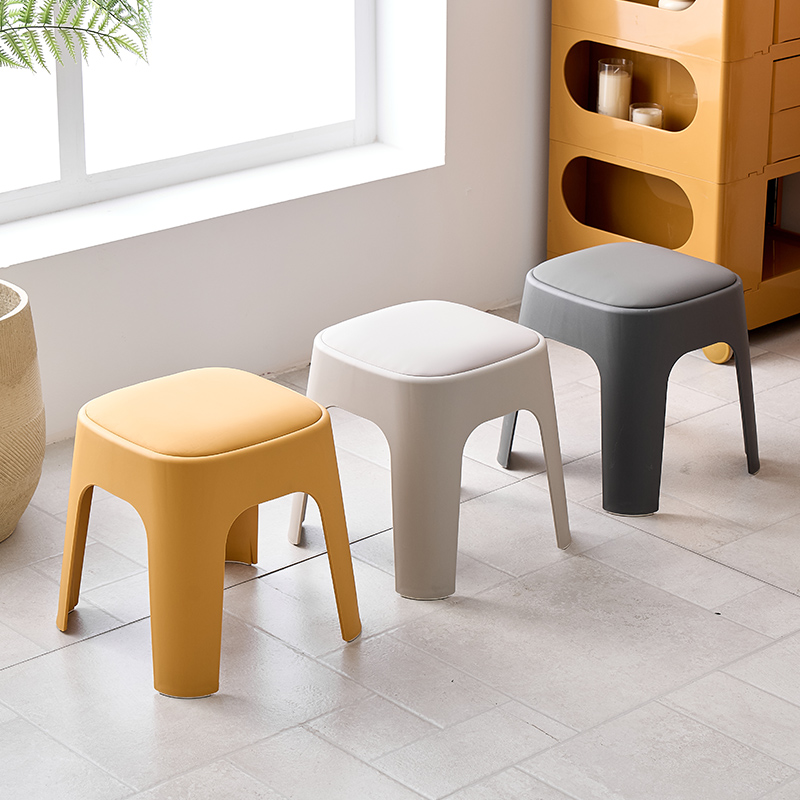
Raw Material Selection and Preparation
The foundation of any quality plastic chair lies in the careful selection of raw materials. Manufacturers typically use polypropylene (PP) or polyethylene (PE) due to their excellent durability, lightweight properties, and resistance to environmental factors. These materials undergo rigorous testing before entering the production line. The raw plastic pellets are dried to remove moisture, ensuring optimal molding conditions. Quality suppliers source materials from certified vendors who meet international standards for safety and environmental compliance.
The Injection Molding Process
Injection molding stands as the primary manufacturing technique for plastic chairs. This sophisticated process involves heating plastic pellets until they reach a molten state, typically between 200-260 degrees Celsius. The molten plastic is then injected under high pressure into precisely engineered molds that define the chair's shape and structural features. Modern factories utilize computer-controlled injection molding machines that ensure consistent quality across thousands of units. The mold design incorporates cooling channels that rapidly solidify the plastic, allowing for efficient production cycles.
Quality Control and Testing Procedures
Rigorous quality control measures are implemented throughout the manufacturing process. Each chair undergoes load testing to verify structural integrity, with many manufacturers testing chairs to withstand weights exceeding their rated capacity by significant margins. Color consistency, surface finish, and dimensional accuracy are checked against established standards. Advanced suppliers employ statistical process control methods to monitor production variables and identify potential issues before they affect product quality.
Assembly and Finishing Touches
After the molding process, chairs proceed to assembly stations where additional components such as legs, armrests, or cushions are attached. Skilled technicians ensure proper alignment and secure fastening of all parts. Surface finishing may include texturing, polishing, or applying protective coatings that enhance durability and aesthetic appeal. Some manufacturers offer customization options, allowing customers to select specific colors, finishes, or design modifications to suit their preferences.
Environmental Considerations in Modern Production
Contemporary plastic furniture manufacturers increasingly prioritize environmental sustainability. Many facilities implement recycling programs that reprocess production scrap and defective items into new products. Energy-efficient machinery reduces power consumption during manufacturing. Some suppliers use recycled plastics in their products, contributing to circular economy initiatives. Water-based coatings and low-VOC materials minimize environmental impact while maintaining product quality and safety standards.
Packaging and Distribution Logistics
The final stage involves careful packaging to protect chairs during transportation. Stackable designs optimize shipping efficiency, reducing both costs and environmental footprint. Manufacturers coordinate with logistics providers to ensure timely delivery to distributors, retailers, and direct customers. Quality packaging materials protect against moisture, impact, and other potential damages during transit, ensuring products arrive in pristine condition.
Future Trends in Plastic Furniture Manufacturing
The industry continues to innovate with emerging technologies such as 3D printing for prototyping, smart materials that respond to environmental conditions, and advanced automation systems that enhance production efficiency. Sustainable materials development, including biodegradable plastics and plant-based polymers, represents a growing focus area for forward-thinking manufacturers. These advancements promise to reshape the plastic furniture landscape while addressing environmental concerns.
References
Plastics Technology Magazine. Modern Injection Molding Techniques and Applications. 2024.
International Journal of Manufacturing Engineering. Quality Control Methods in Furniture Production. 2023.
Journal of Sustainable Manufacturing. Environmental Practices in Plastic Product Manufacturing. 2024.