



Outdoor environments present unique challenges that plastic stools are specifically engineered to withstand. High-quality plastic materials resist UV radiation, preventing the fading and brittleness that plague inferior outdoor furniture. Rain, humidity, and temperature fluctuations have minimal impact on properly manufactured plastic stools. Unlike metal alternatives that may corrode or wooden options that can rot, plastic maintains its integrity across seasons. Suppliers specializing in outdoor furniture prioritize these weather-resistant properties in their product development.
Material Science Behind Outdoor Durability
The exceptional outdoor performance of plastic stools stems from advanced polymer technology. Polypropylene and polyethylene formulations include UV stabilizers that absorb harmful radiation and prevent degradation. These additives work continuously throughout the product's lifetime, ensuring long-term performance. The non-porous nature of quality plastics prevents moisture absorption, eliminating swelling, warping, and mold growth concerns. Understanding these material properties helps buyers appreciate why plastic stools excel in outdoor applications.
Applications in Commercial Outdoor Spaces
Restaurants, cafes, and bars increasingly utilize outdoor seating areas to expand capacity and attract customers. Plastic stools offer practical advantages in these commercial settings. Their lightweight construction enables staff to quickly rearrange seating configurations or store furniture during inclement weather. Easy cleaning properties support hygiene standards required in food service environments. Stackable designs minimize storage space requirements during off-hours or seasonal closures. These operational benefits make plastic stools preferred choices for hospitality businesses.
Residential Outdoor Living Solutions
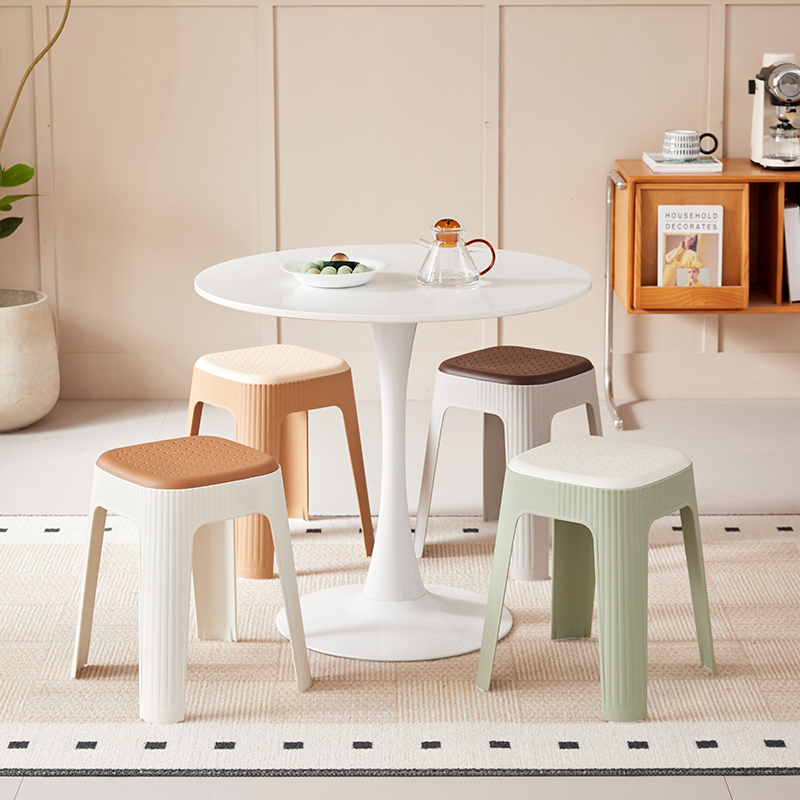
Homeowners appreciate plastic stools for patios, decks, and garden areas. The variety of available styles ensures options for every aesthetic preference, from contemporary minimalism to traditional designs. Color options enable coordination with existing outdoor decor themes. Families with children benefit from plastic stools' safety features, including rounded edges and stable construction. Budget-conscious consumers find plastic stools deliver excellent value without sacrificing quality or durability.
Maintenance and Care Requirements
One of plastic stools' most appealing characteristics is their minimal maintenance needs. Regular cleaning requires only mild soap and water, with no special treatments or protective coatings necessary. Stains wipe away easily, and the non-porous surface prevents permanent discoloration. Unlike wood that requires periodic sealing or metal that needs rust prevention, plastic stools maintain their appearance with basic care. This low-maintenance profile saves time and ongoing expense for owners.
Safety Considerations for Outdoor Use
Outdoor environments introduce specific safety considerations that quality plastic stools address. Non-slip feet provide secure footing on wet surfaces, preventing accidents during rainy conditions. Wide bases ensure stability on uneven ground surfaces common in outdoor settings. Appropriate weight distribution prevents tipping, even when users shift positions. Reputable manufacturers subject their outdoor products to rigorous stability testing, ensuring safety across various use scenarios.
Environmental Impact and Sustainability
Modern outdoor plastic stools increasingly incorporate sustainable features. Recycled plastic content reduces environmental impact while maintaining performance standards. Some manufacturers use post-consumer recycled materials, supporting circular economy initiatives. The durability of plastic stools means less frequent replacement, reducing overall resource consumption. At end-of-life, many plastic stools remain recyclable, enabling responsible disposal. These environmental considerations align with growing consumer preference for sustainable products.
Seasonal Storage Recommendations
While plastic stools withstand outdoor conditions year-round, proper seasonal storage extends their lifespan further. Stackable designs facilitate compact storage during winter months or extended non-use periods. Indoor storage prevents unnecessary UV exposure and extends material life. If outdoor storage is necessary, protective covers shield furniture from extreme weather. Following manufacturer storage recommendations ensures maximum product longevity and continued aesthetic appeal.
References
Outdoor Living Magazine. Weather Resistant Furniture Materials Guide. 2024.
Hospitality Design Journal. Commercial Outdoor Seating Solutions. 2023.
Polymer Science Quarterly. UV Resistant Plastic Formulations. 2024.