



Why Commercial Buyers Are Rethinking Plastic Seating
You know what's changing in the restaurant and hospitality world? It's how owners approach seating. Not too long ago, plastic chairs were seen as bargain-basement options—something you'd use only if budget left no other choice. But spend time in newly opened restaurants or recently renovated cafes, and you'll notice something different happening.
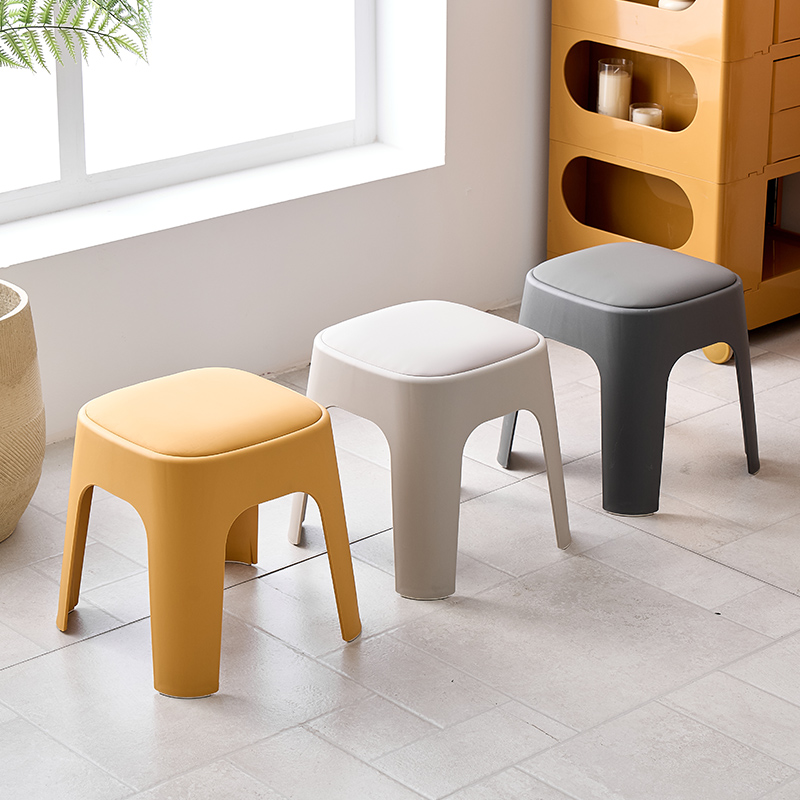
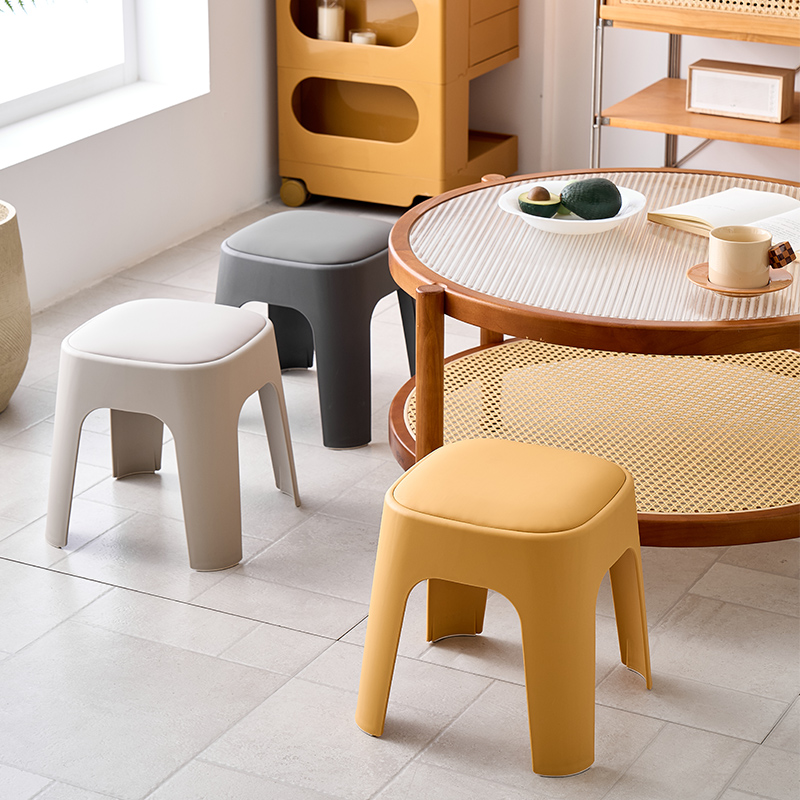
The shift makes sense when you think about it. Running a commercial space means balancing dozens of competing priorities, and seating sits right at the intersection of customer experience, operational costs, and aesthetic appeal. Smart operators have realized that modern plastic chairs—the kind produced by manufacturers who actually understand commercial demands—can check more of those boxes than traditional seating options.
At Xinlang Furniture, we've been supplying commercial clients long enough to see this evolution happen in real-time. Restaurant owners who initially contacted us as a cost-cutting measure often become repeat customers because the chairs simply perform better than expected. When you're operating a business where furniture takes abuse that would never happen in residential settings, that kind of performance matters enormously.
The Real Economics of Commercial Seating
Let's talk honestly about money, because that's usually what drives commercial furniture decisions. The mistake many business owners make is looking only at upfront cost. It's understandable—when you're opening a restaurant and need forty chairs, the initial price tag gets attention. But it's rarely the most important number.
Consider what happens with upholstered chairs in a restaurant environment. Within six months, someone spills red wine. A few months later, another guest accidentally cuts the fabric with a knife. Grease splatters become embedded. Before long, you're looking at having chairs professionally cleaned or, more likely, living with furniture that subtly signals "we don't maintain things well" to everyone who walks in.
Quality plastic chairs bypass most of these problems entirely. A spill? Wipe it up. Grease splatter? It cleans off completely. Someone drags a chair across the floor creating scratches? On a well-made plastic chair, that's mostly cosmetic and doesn't trap dirt the way fabric tears do. When you calculate total cost of ownership over three to five years, plastic often wins decisively.
What Actually Makes a Plastic Chair "Commercial Grade"?
Here's something the sales brochures won't tell you: not all plastic chairs are built to the same standard. The difference between a residential plastic chair and one meant for commercial use isn't just marketing—it's engineering, material selection, and quality control.
Commercial-grade chairs use higher-grade plastics with UV stabilizers (important even indoors near windows), impact modifiers that prevent cracking if someone drops them, and sometimes fiberglass reinforcement in critical stress points. The wall thickness gets calculated differently too. A residential chair might use minimal material to keep costs down. Commercial versions put material where it matters—reinforced leg junctions, thicker seat pans, and connection points that won't loosen after months of daily use.
When Xinlang Furniture produces chairs for commercial clients, we're thinking about different stress patterns than residential use involves. Commercial chairs get moved multiple times daily. They support users of widely varying weights. They get cleaned with harsher chemicals. The manufacturing process adjusts accordingly, with more rigorous testing protocols and tighter quality tolerances.
Stackability: The Feature That Transforms Operations
If you've never operated a venue that needs flexible seating, stackability might seem like a minor convenience. In practice, it can fundamentally change how you use your space. Imagine running a cafe that also hosts evening events. During the day, chairs need to be arranged for comfortable coffee service. For evening events, you might need them cleared entirely to create open floor space.
With stackable plastic chairs, that transition takes minutes. Try doing it with heavy wooden chairs or assembled metal furniture, and you're looking at significant labor time. For event venues, places of worship, community centers, or any space that serves multiple functions, this flexibility isn't just nice to have—it's essential for operational efficiency.
The engineering behind good stackable chairs is more sophisticated than it appears. The chairs need to nest together securely without scratching, create stable stacks that won't topple, and release easily when you need to unstack them. Poorly designed stacking chairs frustrate staff and damage easily. Well-designed ones become invisible tools that make daily operations smoother.
Aesthetic Considerations That Actually Matter to Businesses
There's a persistent myth that plastic chairs look cheap. That might have been true twenty years ago, but materials and manufacturing have progressed enormously. Walk through a design-focused restaurant in any major city, and there's a decent chance you'll spot modern plastic chairs that look entirely intentional—sometimes even as deliberate design statements.
Color selection deserves thought beyond just "what looks nice." In restaurant settings, darker colors hide dirt between cleanings but show dust and lint more readily. Lighter colors create airy, spacious feelings but demand more frequent cleaning. Some operators choose bold colors as brand reinforcement—imagine a cafe where chair colors echo the logo or brand palette. These details seem small but contribute to cohesive environments that customers remember.
For businesses concerned about appearing "cheap," the solution isn't avoiding plastic chairs entirely—it's selecting designs and configurations that signal intentionality. A thoughtfully arranged row of well-made plastic chairs reads very differently than mismatched, worn furniture. When the chairs complement the overall design scheme rather than fighting it, most customers never question the material choice.
Making the Supplier Relationship Work for You
Here's something worth considering: when you're buying commercial quantities of furniture, the supplier relationship matters as much as the product itself. Things go wrong—maybe a shipment arrives with damaged pieces, or you discover after six months that a particular chair model isn't holding up as expected. Having a supplier who responds promptly and stands behind their products changes these from crises into minor hiccups.
At Xinlang Furniture, we've learned that commercial clients have different needs than individual consumers. They need reliable lead times because furniture often ties to opening dates or renovation schedules. They need volume pricing that makes sense. They sometimes need customization—chairs in specific colors, or with branding elements incorporated. Working with a manufacturer who can accommodate these requirements, rather than just shipping boxes, creates genuine partnership rather than transactional relationships.
Before committing to large orders, ask potential suppliers about their warranty terms, their process for handling defects, and whether they can provide matching replacements months or years later. These questions reveal whether a supplier thinks long-term or just wants to close a sale. The answers matter enormously when you're furnishing an entire commercial space.
Conclusion: Making Informed Decisions for Your Business
Selecting seating for commercial spaces involves balancing more variables than most people realize until they're actually making these decisions. But that's also why it's worth doing thoughtfully. The right chairs enhance customer experience, reduce operational headaches, and ultimately save money over time. The wrong ones become expensive problems that compound.
Whether you're opening a new restaurant, renovating an office reception area, or furnishing a community space, take time to evaluate not just how chairs look in showroom lighting, but how they'll perform in your actual environment over years of use. Quality plastic chairs from manufacturers who understand commercial demands might not be the cheapest option upfront, but they frequently prove to be the smartest investment.
References
Commercial Interior Design Magazine - "Selecting Durable Seating for High-Traffic Venues" (2023)
Restaurant Business Review - "Furniture Choices That Impact Customer Experience and Operational Efficiency" (2022)
Facility Management Journal - "Maintenance Considerations for Commercial Furniture Procurement" (2023)
Hospitality Design Quarterly - "Balancing Aesthetics and Durability in Restaurant Furnishings" (2023)