



Why Maintenance Actually Matters More Than You Think
There's a persistent myth that plastic furniture doesn't need maintenance. The reasoning goes something like: "It's plastic, it's indestructible, just hose it off occasionally." That casual attitude is exactly why so many plastic chairs end up looking weathered and worn within a few years of purchase.
The reality is that while plastic furniture is indeed low-maintenance compared to wood or upholstery, it's not maintenance-free. The difference between plastic furniture that looks good after five years and pieces that look tired after two often comes down to simple, occasional care that takes minutes but yields years of extended life.
At Xinlang Furniture, we've seen this pattern repeatedly. Customers who buy quality plastic furniture and maintain it properly get remarkably long service life. Those who buy the same products and neglect them wonder why the chairs don't look as good after a couple of seasons. The products are identical—the difference is maintenance.
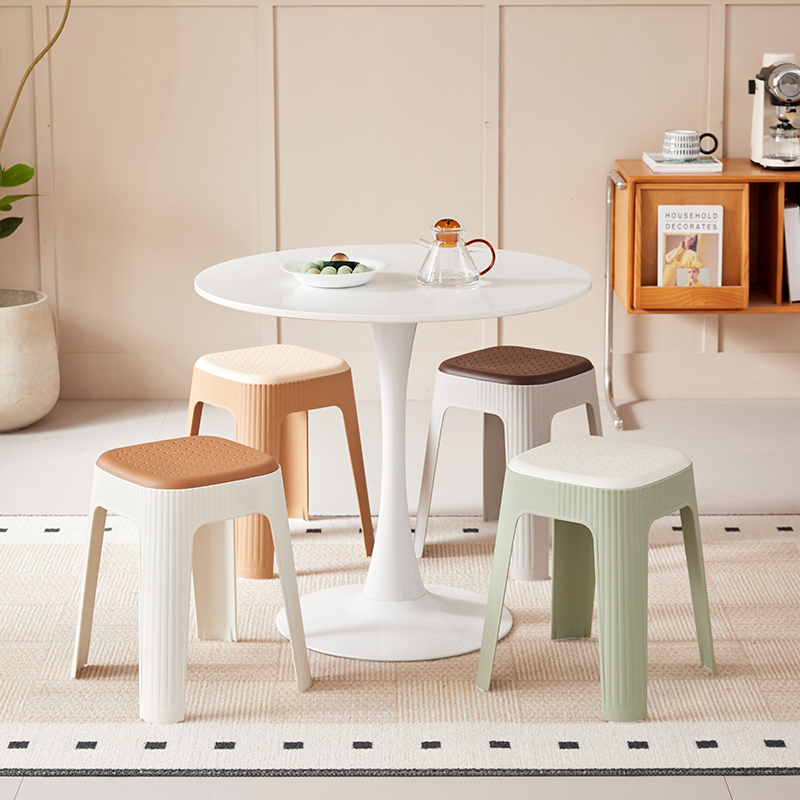
Regular Cleaning: The Foundation of Good Care
Let's start with the most basic maintenance task: cleaning. It sounds obvious, yet many people either clean too aggressively (damaging surfaces) or not often enough (allowing dirt to become embedded and difficult to remove).
For routine cleaning, mild dish soap and warm water are surprisingly effective. Use a soft cloth or sponge—nothing abrasive that might scratch the surface. Work in sections if you're cleaning multiple chairs, rinsing thoroughly. Soap residue left on plastic surfaces becomes sticky and actually attracts more dirt, defeating the purpose of cleaning.
How often should you clean? It depends on use and environment. Indoor dining chairs might need weekly wiping. Outdoor furniture in dusty or pollen-heavy areas might need attention every few weeks during peak seasons. The guideline isn't about rigid schedules—it's about not allowing dirt to accumulate to the point where cleaning becomes difficult.
What to Avoid: Common Maintenance Mistakes
Here's where well-intentioned maintenance efforts sometimes go wrong. Abrasive cleaners—think powdered cleansers or scrubbing pads—might make quick work of dirt but leave microscopic scratches that trap more dirt over time. Eventually, the surface looks permanently dingy regardless of how much you clean.
Harsh chemicals present another risk. Bleach might seem like a good idea for stubborn stains, but it can actually accelerate plastic degradation, particularly in sunlight. Similarly, solvents like acetone or paint thinner can permanently damage plastic surfaces, sometimes causing cracking or discoloration that's impossible to repair.
Pressure washers deserve special mention. That satisfying blast of water might remove dirt effectively, but the pressure can also force water into joints or areas where it shouldn't go. For plastic furniture with metal components, this trapped moisture leads to hidden corrosion. Stick to gentle cleaning methods—they're safer and usually just as effective.
Dealing with Stubborn Stains and Discoloration
Sometimes routine cleaning isn't enough. Outdoor furniture might develop mildew spots. Indoor chairs might acquire stains from food, drinks, or—let's be honest—markers if children are involved.
For organic stains like mildew, a solution of one part white vinegar to three parts water often works wonders. Apply, let sit for a few minutes, then scrub gently and rinse. The mild acidity helps break down organic growth without damaging most plastics. For tougher cases, specialized plastic cleaners are available that are formulated to be safe for furniture.
Ink stains require different approaches. Isopropyl alcohol can work on some inks, but test in an inconspicuous area first—some plastics might react poorly. For persistent stains that resist gentle treatment, sometimes accepting minor cosmetic imperfections is better than risking damage with harsh chemicals. Perfection isn't the goal—reasonable appearance and structural integrity are.
Protecting Plastic Furniture from Environmental Damage
Even with excellent cleaning habits, environmental factors can degrade plastic furniture over time. UV radiation from sunlight is the primary culprit. Even UV-stabilized plastics benefit from some protection. If possible, provide shade during peak sunlight hours. For outdoor furniture, seasonal covers make a genuine difference in maintaining appearance and extending lifespan.
Temperature extremes also affect plastic furniture. Extremely hot conditions can cause warping, particularly for dark-colored furniture that absorbs more heat. Conversely, very cold temperatures make some plastics brittle temporarily. While quality outdoor furniture handles normal temperature variations, avoiding unnecessary extremes helps maintain long-term integrity.
For indoor furniture near windows, consider window treatments that filter UV radiation. Your furniture will last longer, and your flooring and upholstery will too. It's one of those preventive measures that seems unnecessary until you see side-by-side comparisons of protected versus unprotected items after a few years.
When to Seek Professional Help or Replacement
Despite good maintenance, plastic furniture eventually reaches end-of-life. Structural cracks, severe discoloration that resists cleaning, or compromised stability indicate it's time for replacement. Using damaged furniture poses safety risks that aren't worth taking.
That said, not all damage requires replacement. Minor scratches can often be buffed out with appropriate plastic polish. Loose screws or connections can be tightened. Sometimes what looks like significant damage is actually cosmetic and doesn't affect structural integrity. When in doubt, consult with the manufacturer or a knowledgeable supplier about whether repair is feasible.
Xinlang Furniture stands behind our products and can provide guidance on maintenance questions or concerns about furniture condition. We believe that informed customers who know how to care for their furniture get better value and longer service life from their purchases. That's good for customers and reflects well on our products.
Conclusion: Simple Care for Long-Term Value
Maintaining plastic furniture doesn't require special skills, expensive products, or significant time investment. It requires consistency and using appropriate methods. The payoff is furniture that looks better longer, performs reliably, and delivers genuine value from your initial investment.
Whether you're maintaining indoor dining chairs, outdoor patio seating, or commercial furniture in a business setting, the principles remain similar: clean regularly with appropriate methods, protect from unnecessary environmental exposure, and address problems promptly before they become serious. These simple practices keep plastic furniture looking and performing its best through years of use.
References
Home Maintenance Monthly - "Proper Care Techniques for Plastic Furniture" (2023)
Outdoor Living Care Guide - "Extending the Life of Patio and Garden Furniture" (2022)
Facility Management Journal - "Maintenance Best Practices for Commercial Plastic Furniture" (2023)
Consumer Reports - "Extending Furniture Lifespan Through Proper Maintenance" (2023)