



Understanding Your Specific Seating Needs
Before you start browsing through catalogs or walking through showrooms, take a moment to think honestly about how the chairs will actually get used. This isn't about what looks good in a photograph—it's about the real demands you'll place on these chairs over the next several years.
Are you seating adults or children? That question alone changes everything from seat height to weight capacity requirements. Will the chairs see daily use or occasional use? The durability requirements for a dining room chair used three times a day differ substantially from extra seating that comes out only during holidays.
At Xinlang Furniture, we always start customer conversations by understanding the use context. It's not a sales tactic—it's genuinely the only way to recommend products that will satisfy long-term. Too many furniture purchases go wrong because someone fell in love with how a chair looked without considering whether it could handle their actual needs.
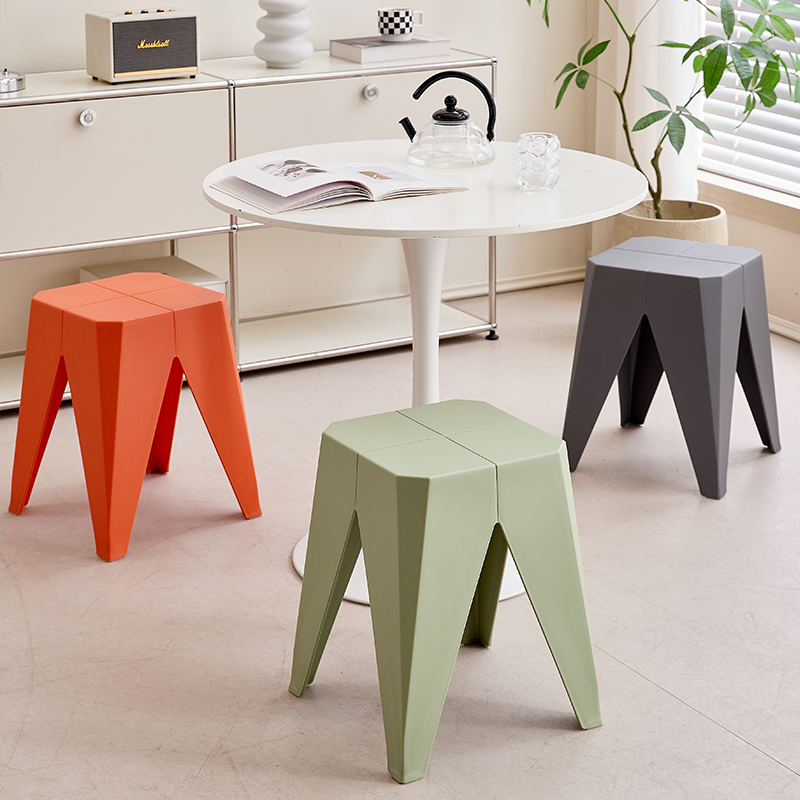
Evaluating Build Quality: What to Look For
Here's something that frustrates many furniture buyers: it's genuinely difficult to assess quality by looking at a chair in a showroom. Everything feels sturdy when it's brand new. The differences that matter—material formulation, wall thickness in critical areas, UV stabilization, reinforcement at stress points—these aren't visible to casual inspection.
That said, you're not helpless. Run your hands along surfaces. Quality plastic chairs have smooth, consistent finishes without rough spots, flash (excess material from molding), or visible defects. Check where legs meet seat—this junction experiences the most stress, and quality chairs show reinforcement here, either through thicker material or clever engineering that distributes loads effectively.
Weight provides another clue, though it's not foolproof. Extremely lightweight chairs often indicate thin walls or low-density materials—neither suggests durability. On the other hand, unnecessarily heavy chairs might indicate inefficient design rather than quality. The best approach is lifting several chairs to develop a sense for what "substantial but not excessive" feels like.
Understanding Material Specifications
When you're comparing chairs, material specifications should be readily available from reputable suppliers. Polypropylene (PP) and polyethylene (PE) represent the most common plastics for chair manufacturing, but the specific grade matters enormously.
Ask about UV stabilizers if the chairs will see any sunlight exposure. Even indoor chairs near windows benefit from UV-stabilized materials. Without these additives, plastics become brittle and discolored over time. The frustrating part? You can't see UV stabilizers. You have to trust supplier claims—which is why working with established manufacturers matters.
Impact modifiers represent another invisible but critical specification. These additives help plastic absorb shocks—something dropped chairs experience regularly—without cracking. Chairs intended for commercial use or homes with children should definitely incorporate impact modifiers. Again, this won't be visible, so supplier transparency about material composition becomes essential.
Assessing Comfort for Intended Use
Comfort is subjective, but there are objective factors that influence whether a chair feels good to sit in. Seat height should allow feet to rest flat on the floor with knees at approximately 90 degrees. Seat depth should support most of the thigh without pressing into the back of knees.
For dining chairs, backrest angle and height affect comfort during meals that might last an hour or more. Too upright, and you'll feel it in your lower back. Too reclined, and you're leaning forward to reach your plate. The sweet spot varies among individuals, but quality chair designs hit a reasonable compromise that works for most people.
If you're buying multiple chairs, actually sit in them before purchasing. Better yet, sit for five or ten minutes if possible. Discomfort that isn't immediately apparent often becomes obvious after even brief sitting. This is where buying from showrooms beats online shopping—you can conduct these real-world assessments before committing.
Considering Aesthetic Integration
Unless you're buying stacking chairs for a utility area, aesthetics matter. The chairs need to work with your existing décor, not fight against it. This doesn't mean everything must match perfectly—eclectic mixes can be deliberate and attractive—but the chairs should feel like they belong in the space.
Color selection deserves more thought than it typically receives. Light colors show dirt more readily but make spaces feel larger and brighter. Dark colors hide dirt better but can dominate a room visually. If you're unsure, neutral tones—white, black, gray, beige—tend to integrate more easily with varied color schemes.
Finish also affects aesthetic integration. Glossy finishes read more formal and show fingerprints readily. Matte finishes tend to look more contemporary and hide minor scratching better. Textured surfaces can add visual interest while providing practical benefits like improved grip and scratch resistance.
Evaluating Supplier Reliability
The supplier relationship affects your purchase experience and long-term satisfaction significantly. Established suppliers with physical presence, clear warranty terms, and responsive customer service provide assurance that online-only sellers or suspiciously cheap sources might not.
Ask potential suppliers about their warranty terms, their process for handling defective products, and whether they can supply replacement matching chairs months or years after your initial purchase. These questions reveal whether a supplier thinks long-term or just wants to close a sale. The answers matter enormously when you're investing in furniture for your home or business.
Xinlang Furniture's approach to customer relationships emphasizes transparency, reliability, and long-term satisfaction. We encourage prospective buyers to ask detailed questions about our products, our manufacturing processes, and our warranty terms. This openness reflects our confidence in our products and our commitment to customer satisfaction.
Making the Purchase Decision
After evaluating your needs, assessing quality, understanding materials, checking comfort, considering aesthetics, and evaluating suppliers, you're ready to make purchasing decisions. Balance all factors rather than optimizing for just one—usually price, which can be tempting but often misleading.
Consider starting with a small order if you're unsure. Many suppliers, including Xinlang Furniture, accommodate sample orders that let you evaluate products in your actual environment before committing to larger quantities. This approach reduces risk and provides confidence that your final purchase will satisfy your requirements.
Remember that the cheapest option rarely represents the best value. Factor in expected service life, maintenance requirements, and replacement costs when evaluating options. Sometimes spending more initially saves money over time. Quality plastic chairs from reputable suppliers often prove this point decisively.
Conclusion: Thoughtful Selection for Long-Term Satisfaction
Choosing the right plastic chairs involves more considerations than many buyers initially realize. But this thoroughness pays dividends through years of satisfactory performance, comfortable seating, and aesthetic harmony with your space.
Whether furnishing a home, outfitting a commercial space, or simply replacing worn seating, taking time to evaluate options thoughtfully usually yields better outcomes than rushing to the lowest-priced option. Quality plastic chairs from established manufacturers like Xinlang Furniture represent investments in comfort, durability, and satisfaction that reward careful selection.
References
Consumer Furniture Guide - "How to Evaluate Chair Quality Before Purchasing" (2023)
Home Furnishings Buying Guide - "Selecting Seating for Different Applications" (2022)
Furniture Today - "Understanding Material Specifications in Plastic Furniture" (2023)
Interior Design Monthly - "Matching Seating Aesthetics with Interior Design Schemes" (2023)