



The Surprising Evolution of Plastic Seating
If you haven't paid much attention to plastic chairs over the past decade, you might be working with an outdated mental image. The lightweight, flimsy-looking chairs of the past have given way to genuinely sophisticated designs that hold their own in even carefully curated interiors. It's a shift that's caught many homeowners and designers by surprise—in a good way.
The transformation didn't happen by accident. Manufacturers who specialize in plastic furniture started collaborating more closely with industrial designers. They experimented with new molding techniques that allowed for more complex shapes. And perhaps most importantly, they began treating plastic as a premium material with unique properties worth exploring, rather than a budget compromise.
At Xinlang Furniture's design studios, we've been part of this evolution. Watching how plastic chairs have moved from purely functional objects to genuine design pieces has influenced how we approach every new product development cycle. The goal isn't just to make chairs that function adequately—it's to create seating that enhances the spaces where it lives.
What Makes a Plastic Chair "Modern" Anyway?
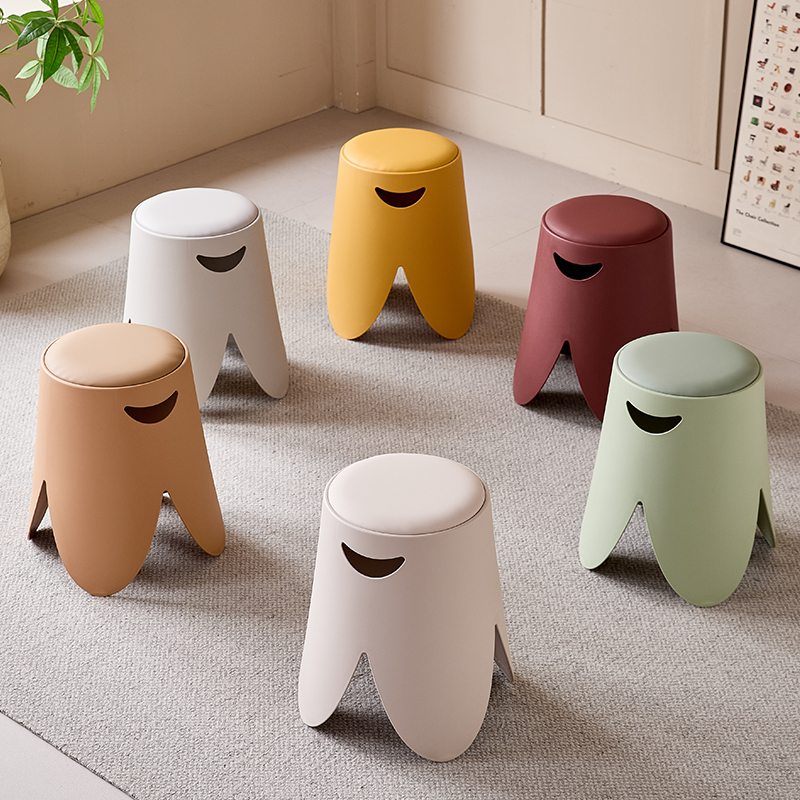
The term gets thrown around alot, but "modern" in furniture design actually refers to something fairly specific. It's about clean lines, honest use of materials, and forms that feel appropriate to their time rather than mimicking earlier styles. A truly modern plastic chair doesn't try to look like wood or metal—it embraces what plastic can do that other materials can't.
Think about the molding possibilities. Wood requires joinery; metal requires welding or fastening. Plastic? You can create organic, flowing shapes in a single piece. The modern plastic chairs that resonate with designers and homeowners alike are the ones that lean into this advantage rather than hiding from it. They feature curves that would be prohibitively expensive to achieve in other materials.
Color is another dimension where modern plastic chairs distinguish themselves. Beyond basic black, white, or beige, contemporary designs explore muted tones, translucent options that play with light, and even multi-tonal effects that add visual depth. When executed well, these color choices feel intentional rather than decorative—they're part of the design language, not an afterthought.
Material Innovations That Actually Matter
Here's something that doesn't get enough attention in furniture discussions: not all plastics perform the same way. The difference between a budget plastic chair and a quality modern design often comes down to material formulation. High-grade polypropylene, for instance, offers better impact resistance and color retention than standard formulations.
Some manufacturers have started incorporating recycled plastics into their production—a meaningful step toward more sustainable furniture. Others experiment with bio-based plastics derived from renewable resources. These aren't just marketing talking points; they represent genuine material science advances that affect how chairs perform over time. When you're selecting modern plastic chairs, asking about material composition is worth your time.
UV stabilization deserves particular mention for chairs that might see any sunlight exposure. Even indirect UV radiation can cause some plastics to become brittle or discolor over time. Quality modern chairs incorporate UV inhibitors during the manufacturing process, not just as a surface treatment. That distinction matters enormously for long-term durability, especially in homes with significant natural light.
Design Versatility You Might Not Expect
One of the most pleasant surprises for homeowners discovering modern plastic chairs is how adaptable they prove to be. You might assume they only work in ultra-contemporary, minimalist spaces. In reality, thoughtful plastic chair designs complement an impressive range of interior styles.
In Scandinavian-inspired interiors, matte-finish plastic chairs in soft colors feel right at home alongside light woods and textile textures. For industrial-style spaces, chairs with metal leg frames and plastic seats bridge the raw and refined elements effectively. Even in traditionally furnished rooms, a well-chosen modern plastic chair can serve as an eclectic accent that adds contemporary energy without overwhelming the existing aesthetic.
The key is selecting designs where the plastic elements feel intentional rather than like cost-cutting measures. This is where working with established manufacturers makes a discernible difference. When Xinlang Furniture develops a new chair design, we're thinking about how it will interact with various interior styles, not just whether it meets basic functional requirements.
Practical Benefits That Justify the Investment
Let's move beyond aesthetics and talk about daily reality. Modern plastic chairs offer several practical advantages that justify their presence in thoughtfully designed homes. Maintenance is perhaps the most immediately apparent. Unlike upholstered chairs that require professional cleaning or wooden chairs that need periodic refinishing, plastic chairs typically need only occasional wiping with mild detergent.
Weight—or rather, the absence of excessive weight—represents another genuine benefit. Being able to move chairs easily when rearranging, cleaning, or accommodating guests makes daily life slightly but meaningfully easier. This isn't about flimsiness; quality modern plastic chairs achieve light weight through intelligent design and material selection rather than skimping on structural integrity.
For households with children or frequent entertainers, the cleanability factor alone often justifies choosing plastic seating. Juice spills, marker accidents, food splatters—these become minor inconveniences rather than potential furniture ruination. The peace of mind has genuine value, even if it's difficult to quantify.
Ergonomic Considerations in Contemporary Designs
There's a persistent myth that plastic chairs can't be comfortable for extended sitting. That might have been true of older designs, but contemporary manufacturing and design have largely solved this problem. Modern plastic chairs incorporate subtle contours that support natural body positioning. Some feature slight flexibility in the seat and backrest that reduces pressure points during longer sitting sessions.
The best modern designs go further, offering models with optional cushions or ergonomic enhancements for users who want additional support. This flexibility—being able to use the chair as-is or enhance it based on personal preference—represents thoughtful design rather than one-size-fits-all thinking. It acknowledges that seating needs vary among individuals and across different use contexts.
For home office applications especially, this ergonomic consideration becomes critical. As more people spend full workdays at home, seating comfort directly affects productivity and physical wellbeing. Modern plastic task chairs have evolved to address this reality, offering adjustment mechanisms and support features that rival traditional office chairs at more accessible price points.
Selecting Quality in a Crowded Market
The growing popularity of modern plastic chairs means the market has become crowded with options at wildly different quality levels. Distinguishing thoughtfully designed, well-manufactured chairs from inferior products requires knowing what to look for.
Finish quality provides immediate visual clues. Quality chairs have smooth, consistent surfaces without visible molding defects, rough spots, or uneven coloring. Structural elements—particularly where legs meet seat—should show reinforcement appropriate to expected loads. And reputable manufacturers provide clear specifications about weight capacity, material composition, and applicable standards or certifications.
Working with established suppliers who stand behind their products offers additional assurance. When you can verify that a manufacturer like Xinlang Furniture has both the production capabilities and the track record to deliver consistent quality, specifying their products becomes a risk-mitigation strategy rather than a leap of faith. This matters whether you're selecting a single chair for your home or specifying seating for a commercial project.
Conclusion: Thoughtful Selection for Long-Term Satisfaction
Modern plastic chairs have earned their place in contemporary interiors by offering a genuine combination of aesthetic appeal, practical functionality, and reasonable cost. The key to satisfaction lies in selecting quality pieces from manufacturers who understand both the design possibilities and the performance requirements of modern furniture.
Whether you're furnishing a new home, updating your current seating, or simply exploring options for a specific space, taking time to evaluate modern plastic chairs thoughtfully usually yields better long-term outcomes than rushing to the least expensive option. Quality manufacturing, intelligent design, and appropriate material selection combine to create seating that serves your needs reliably while enhancing your space aesthetically.
References
Journal of Interior Design - "Material Innovation in Contemporary Seating" (2023)
Furniture Design Quarterly - "The Evolution of Plastic in Modern Furniture" (2022)
Home Furnishings Today - "Consumer Preferences in Affordable Seating Solutions" (2023)
Design Monthly - "Sustainable Material Choices for Modern Interiors" (2023)