



The Complexity Behind Simple-Looking Products
There's a persistent misconception that plastic furniture is simple to manufacture. The reasoning seems straightforward: melt plastic, inject it into a mold, and you have a chair. The reality involves considerably more sophistication—material science, precision engineering, strict quality control systems, and continuous process optimization.
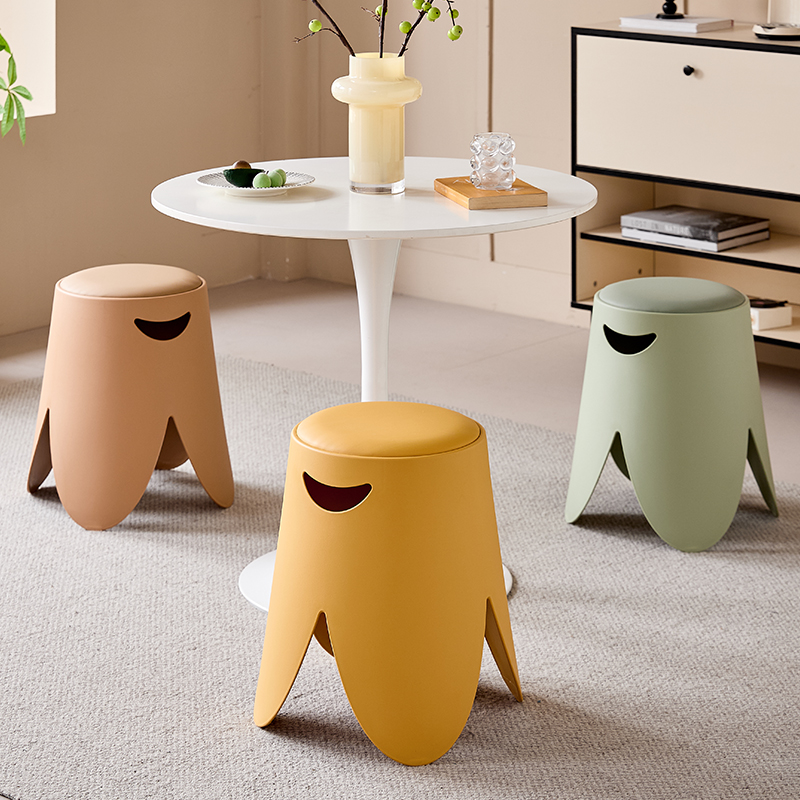
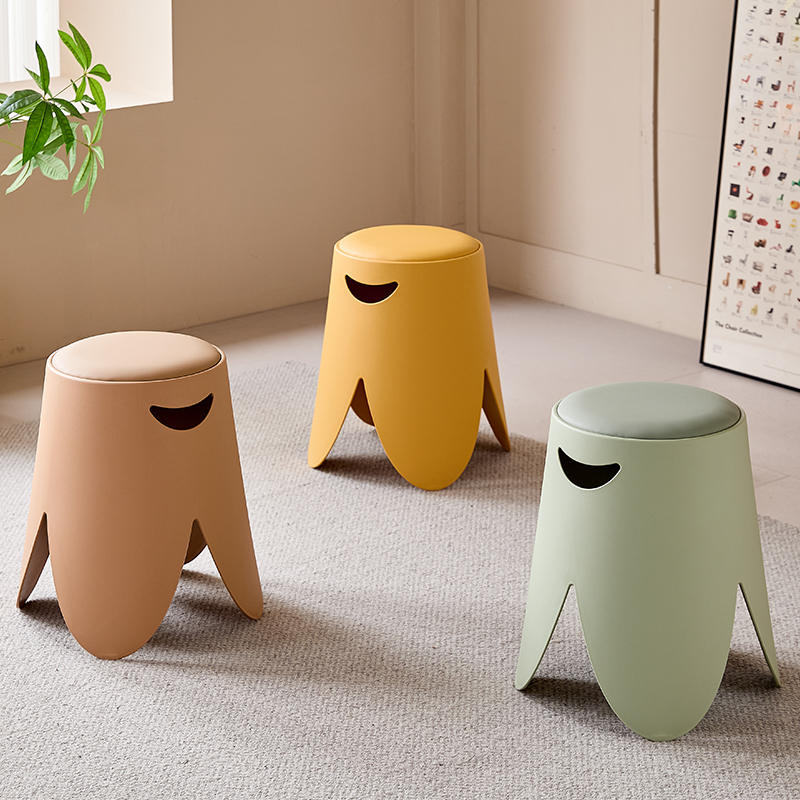
When you purchase a quality plastic chair, you're benefiting from expertise that spans multiple disciplines. The material formulation team selects and tests polymer blends. Mold designers calculate flow characteristics, cooling requirements, and structural demands. Production engineers optimize cycle times without compromising quality. Quality control specialists verify that every batch meets specifications.
At Xinlang Furniture's manufacturing facilities, this complexity is visible daily. We've invested in sophisticated injection molding equipment, precision mold manufacturing capabilities, and comprehensive testing facilities. These investments reflect our understanding that consistent, high-quality plastic furniture requires serious manufacturing infrastructure, not just basic equipment and inexpensive labor.
Raw Material Selection and Preparation
Quality plastic furniture begins with quality raw materials. The primary material—typically polypropylene (PP), polyethylene (PE), or polystyrene (PS)—must meet stringent specifications for purity, molecular weight distribution, additive content, and contaminant levels.
Reputable manufacturers source materials from established suppliers and verify incoming material quality through laboratory testing. This incoming inspection prevents substandard materials from entering production, avoiding quality issues that might only become apparent after chairs reach customers.
Material preparation involves more than simply receiving plastic pellets. Most plastic furniture requires customized material formulations that incorporate colorants, UV stabilizers, antioxidants, impact modifiers, and other additives. These formulations are carefully developed to achieve target performance characteristics—UV stability for outdoor furniture, impact resistance for heavy-use applications, or specific color matching for branded orders.
Injection Molding: The Core Manufacturing Process
Injection molding represents the dominant manufacturing process for plastic furniture production. This method involves injecting molten plastic into mold cavities under high pressure, allowing the material to cool and solidify into the desired shape, then ejecting the finished part.
The injection molding process encompasses several critical phases. First, plastic material is fed into a heated barrel where it melts into a fluid state. Then, a screw or plunger forces the molten plastic into the mold cavity at carefully controlled speed and pressure. After filling, holding pressure maintains material compaction while cooling occurs. Once the part solidifies sufficiently, molds open and ejection systems push the finished part out.
Mold design profoundly influences injection molding success. Molds must accommodate material flow characteristics, cooling requirements, ejection needs, and dimensional tolerances. Poor mold design causes defects like warping, sink marks, short shots (incomplete filling), or excessive cycle times. Quality mold construction using appropriate tool steels and precision machining ensures consistent performance over hundreds of thousands of production cycles.
Quality Control Systems in Plastic Furniture Manufacturing
Comprehensive quality control systems are essential for consistent plastic furniture production. These systems begin with incoming material inspection and extend through in-process monitoring, finished product testing, and even field performance feedback.
In-process quality control includes monitoring critical process parameters during injection molding. Melt temperature, injection pressure, cooling time, and other variables affect part quality. Modern molding machines equipped with process monitoring systems can detect deviations from established parameters and either alert operators or automatically adjust to maintain quality.
Finished product inspection verifies that chairs and stools meet specifications before leaving the factory. Dimensional checks ensure parts conform to design tolerances. Visual inspections identify surface defects, color inconsistencies, or molding imperfections. Functional tests may include load testing, stability assessment, and assembly verification for products with multiple components.
Assembly and Secondary Operations
While some plastic furniture designs consist of single molded pieces, many incorporate multiple components that require assembly. Legs, backrests, seats, and additional features may be manufactured as separate parts then assembled into finished chairs.
Assembly operations range from simple manual processes to sophisticated automated systems depending on production volume and product complexity. Ensuring assembly quality requires clear work instructions, appropriate tooling, and trained personnel. For manufacturers supplying international markets, assembly consistency directly affects customer satisfaction and brand reputation.
Secondary operations may be necessary for certain products or markets. Some chairs require branding or labeling application. Products destined for markets with specific safety standards might need additional testing or certification marking application. Packaging operations, while seemingly separate from manufacturing, significantly influence customer satisfaction and require careful execution to prevent damage during shipping and handling.
Environmental Considerations in Manufacturing
Modern plastic furniture manufacturing faces increasing scrutiny regarding environmental impact. Progressive manufacturers have responded with various initiatives to reduce their environmental footprint. Energy-efficient equipment reduces electricity consumption during production. Water recycling systems minimize water usage in cooling and other processes. Waste plastic from production can often be reground and reintroduced into the manufacturing process, reducing material waste.
Material choices also affect environmental profile. Using recycled plastics reduces demand for virgin materials and diverts waste from landfills. Bio-based plastics derived from renewable resources rather than petroleum offer another sustainability avenue, though currently at higher cost and sometimes with performance limitations.
Consumers and business customers increasingly value environmentally responsible manufacturing. They may inquire about material sources, energy usage, waste management, and similar factors when selecting suppliers. Manufacturers who can document and communicate their environmental initiatives position themselves favorably with these conscious buyers.
Continuous Improvement and Innovation
The plastic furniture manufacturing industry continues evolving, driven by material science advances, manufacturing technology improvements, and changing market demands. Successful manufacturers embrace continuous improvement philosophies that systematically seek process enhancements, quality improvements, and cost optimizations.
Innovation manifests in various forms. New materials with enhanced properties enable better products. Advanced molding techniques allow more complex geometries or faster cycle times. Automation and robotics improve consistency while reducing labor costs. Digital technologies facilitate better production planning, quality tracking, and customer communication.
Collaboration with customers sometimes drives innovation. Custom orders may present technical challenges that push manufacturing capabilities in new directions. Feedback from field performance can highlight improvement opportunities not apparent from factory testing alone. By maintaining open communication with customers and supply chain partners, manufacturers gain insights that inform innovation priorities.
Conclusion: Manufacturing Excellence as Competitive Advantage
Plastic furniture manufacturing represents a sophisticated blend of material science, engineering, and quality management. Excellence in manufacturing provides the foundation for delivering products that satisfy customers, withstand use, and represent good value.
For buyers, understanding manufacturing fundamentals helps identify suppliers capable of delivering not just acceptable products but exceptional value through quality, reliability, and service. The effort to evaluate manufacturing partners thoroughly yields benefits through reduced problems, smoother operations, and enhanced customer satisfaction with the furniture itself.
References
Plastics Engineering Magazine - "Advances in Injection Molding for Furniture Applications" (2023)
Manufacturing Today - "Quality Control Systems for Consistency in Plastic Products" (2022)
Sustainable Manufacturing Review - "Environmental Initiatives in Plastic Furniture Production" (2023)
Industrial Process Journal - "Continuous Improvement Strategies in Furniture Manufacturing" (2023)